Sustainability: a concrete commitment for Proposte 2026 exhibitors
Sustainability has become an essential priority for the textile industry, increasingly translating into concrete choices across the entire production chain.
At the latest edition of Proposte, many exhibiting companies placed this commitment at the heart of their research, presenting strategies and solutions aimed at reducing the environmental impact of production processes, optimizing the use of resources, and developing textiles that are increasingly durable, responsible, and designed with circularity in mind.
We invite you to discover some of the most interesting sustainable practices adopted by Proposte 2026 exhibitors as they contribute to building a more sustainable future for the textile industry.
Crevin: committed to better fabrics with less impact
Crevin has reached a new milestone in its longstanding commitment to more sustainable and responsable textile production, becoming the first Spanish decorative fabrics brand to receive the AENOR Ecodesign certification. The recognition confirms that environmental criteria are integrated throughout the design and development process, helping reduce impact and optimize resources. A further step toward better fabrics with less impact, combining design, durability and responsible local manufacturing.
Güleser: where sustainability meets performance
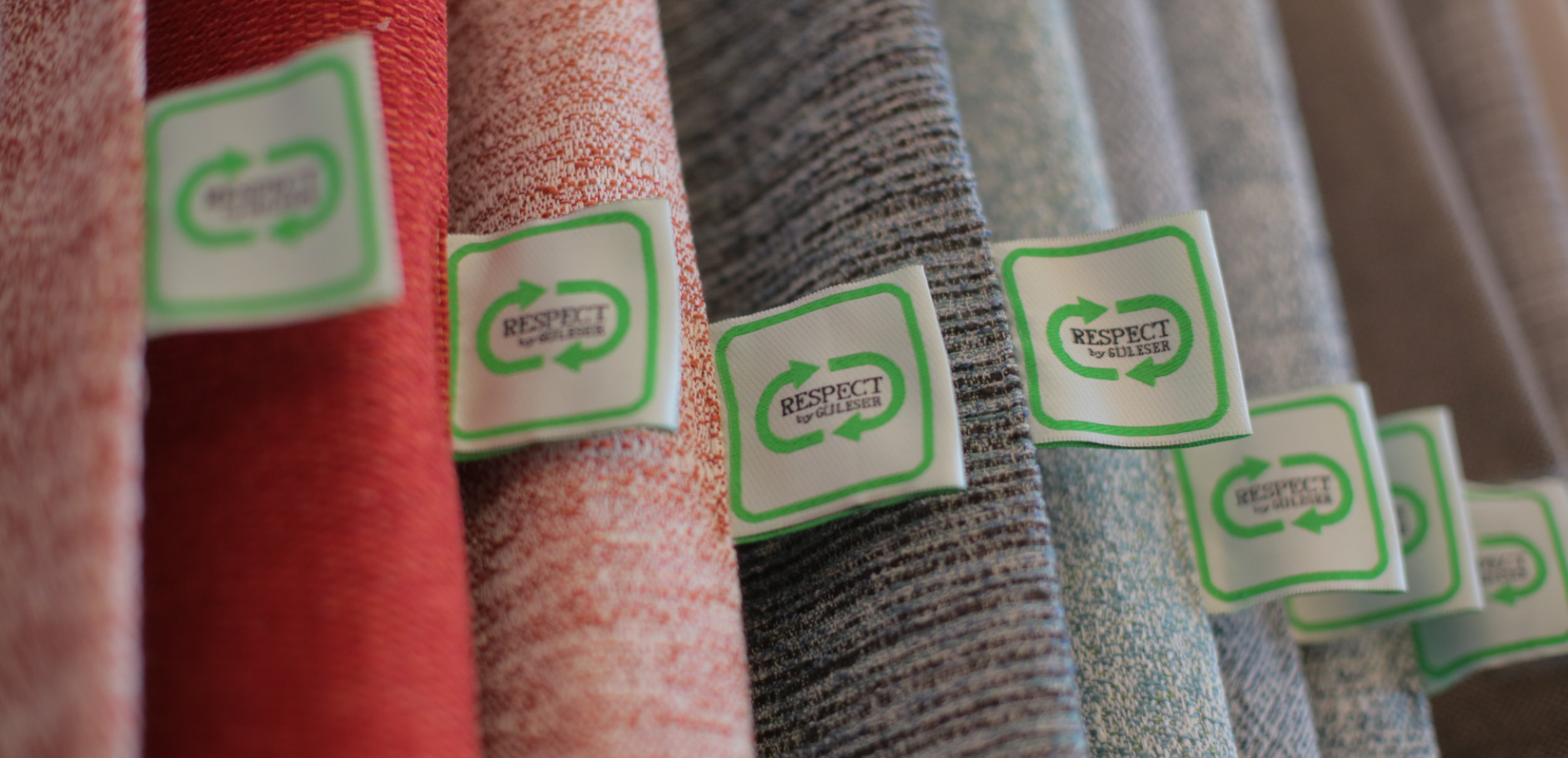
Güleser, a Turkish company specializing in the production of fabrics for upholstery and drapery, develops innovative solutions with sustainability and performance at the heart of its research. Its collection of biodegradable polyester fabrics, made using PrimaLoft® Bio™ technology, is designed to biodegrade at the end of its life in the environments where textiles are most commonly dispersed. This approach preserves the qualities of traditional polyester while reducing environmental impact and promoting a more circular model.
Libeco: exploring the potential of natural fibers
Libeco, a Belgian company specializing in the production of natural-fiber textiles, harnesses the potential of European hemp as a sustainable, high-performance fiber. Requiring little water and no pesticides, and being biodegradable, hemp is spun at Libeco’s facility in Poland and woven into fabrics at its Belgian weaving mill, with dyeing and finishing entrusted to European partners. Durable and tactile, hemp develops a soft patina over time and is suitable for interior design, fashion, and technical applications.
Antonio Ferre: high-quality recycled fabrics
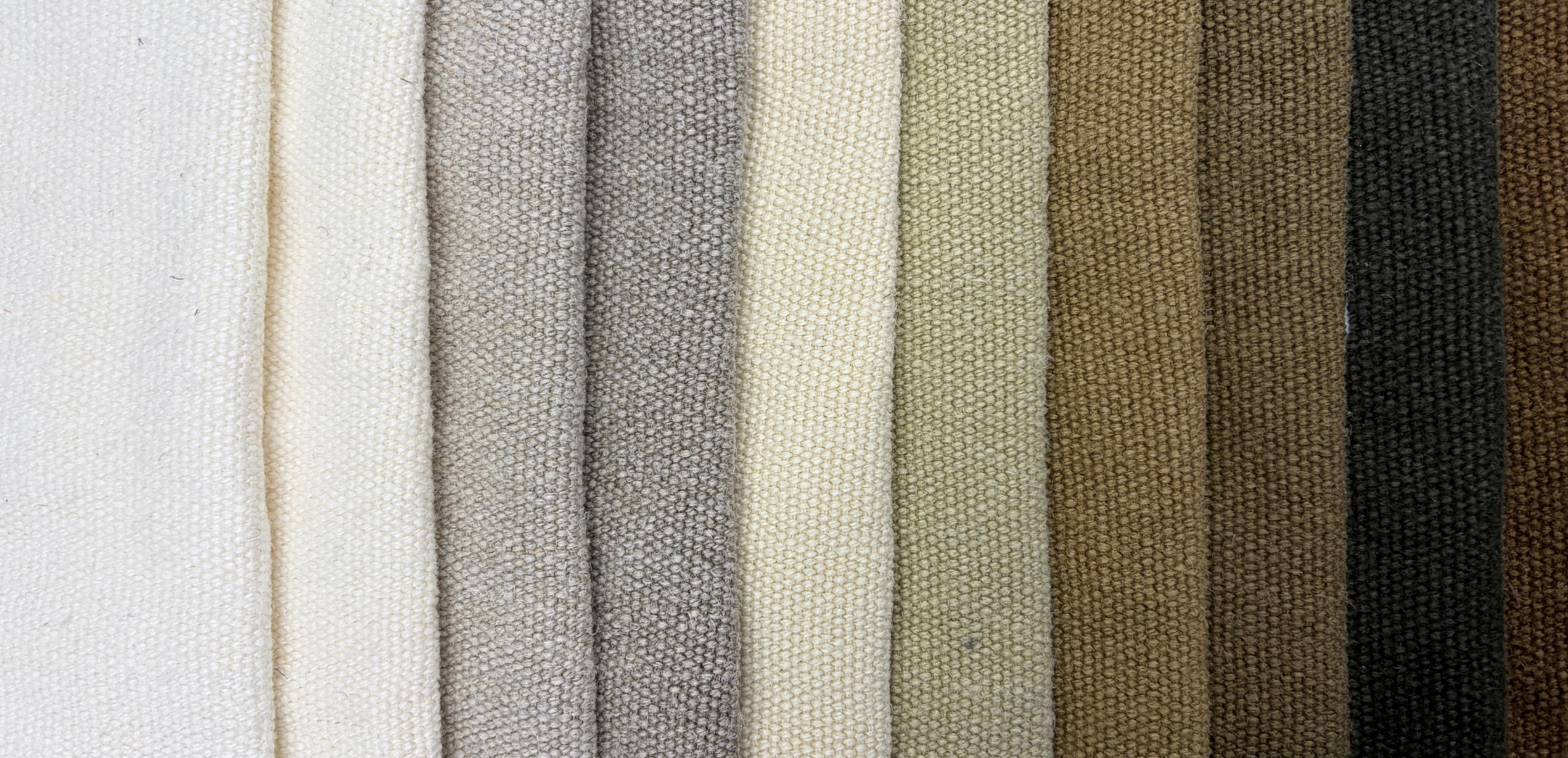
Since 1914, ANTONIO FERRE has maintained a firm commitment to the development of sustainable and environmentally friendly fabrics. A significant proportion of its collections incorporates recycled raw materials, certified by schemes such as GRS and OEKO-TEX. Our recycled fabrics are suitable for all home textile applications, and of particular note is the new collection made from recycled yarns, which are also flame-retardant and lightfast for outdoor use, making them ideal for the contract sector.